
If you are comparing laser hair removal cost in London, you will quickly see huge price differences between clinics.
That can be confusing. A lower headline price does not always mean a lower total cost, and a higher price does not always mean better results.
This guide shows what actually affects price, what to ask before you book, and how to judge value based on safety and long-term outcomes.
What Changes the Cost of Laser Hair Removal?
The final cost is usually shaped by five things:
1. Treatment area size
Small areas naturally cost less per session than larger body areas.
2. Hair density and hair growth pattern
If hair is dense or hormonally driven, you may need more sessions to reach your target result.
3. Skin tone and treatment planning
A good clinic adjusts settings to your skin and hair profile. That improves safety and consistency, especially across mixed skin tones.
4. Device quality
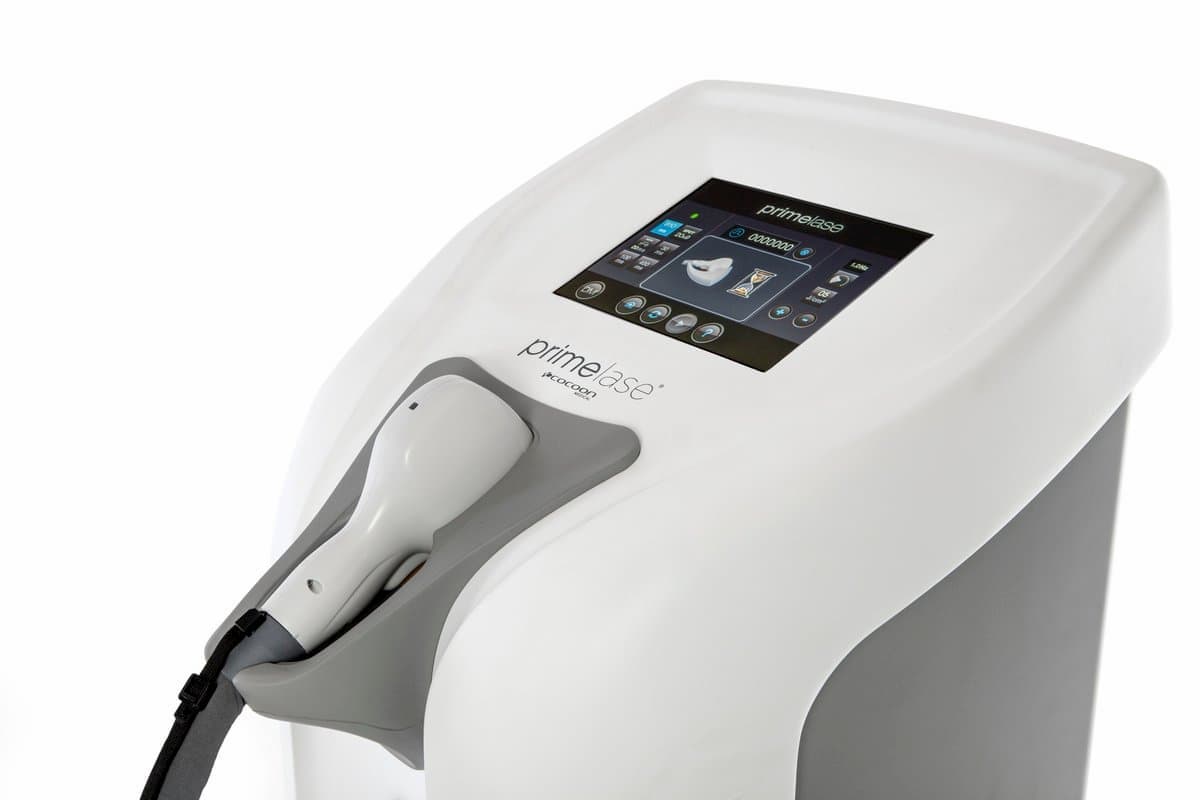
Not all devices perform the same. Medical-grade platforms with strong cooling and precise energy delivery can improve comfort and consistency.
5. Clinical expertise
Your practitioner’s assessment, patch testing, and protocol decisions matter as much as the machine.
Why “Price Per Session” Can Be Misleading
Many people compare clinics by one number: session price.
A better comparison is:
- expected number of sessions,
- included consultation and patch test,
- review appointments,
- likely maintenance frequency,
- treatment quality and consistency.
A clinic with a low session price can become more expensive overall if you need more sessions to reach the same endpoint.
Questions to Ask Before You Book
Bring this checklist to your consultation:
- What technology is used for my skin tone and hair type?
- How many sessions are usually needed for my area?
- What happens if I miss a treatment window?
- Is patch testing included?
- Are there package options for multiple areas?
- What aftercare is recommended?
If a clinic cannot explain the plan clearly, that is a useful signal.
Typical Session Planning (What to Expect)
While everyone is different, courses are commonly planned in stages:
- Initial course at regular intervals.
- Review and adjustment phase.
- Maintenance when needed.
Consistency matters. Gaps that are too long can slow progress and increase total spend.
Value vs Cost: How to Compare Clinics Fairly
Use this simple lens:
- Safety: clear consultation, patch testing, contraindication checks.
- Suitability: treatment matched to your skin and hair profile.
- Predictability: realistic timeline, clear follow-up process.
- Support: responsive team and practical aftercare guidance.
The right clinic helps you avoid false starts, not just reduce first-session cost.
Planning Your Budget Without Guesswork
If you want a realistic estimate, start with:
- your priority treatment area,
- your schedule availability,
- your target timeline,
- any previous hair-removal history.
Then request a personalised plan in consultation rather than relying on generic internet averages.
You can review our current price list on the Pricing page, browse treatment options on our Laser Hair Removal page, or speak directly with the team via Contact.
Related Reads
- How to Prepare for Your First Aesthetic Consultation
- Fat Freezing vs RF Body Tightening: Differences and Use Cases
Next Step
If you are ready for a tailored plan, book a consultation and get a quote based on your skin, hair, and goals.
Laser Hair Removal Prices at Cosmetic Clinic
At Cosmetic Clinic in Locksbottom, laser hair removal starts from £10 per session for small areas, with a full-body course of three sessions available as a package for £267. All prices are published upfront, patch tests are carried out before treatment, and our devices are suitable for all skin types.
We serve clients from Bromley, Orpington, Beckenham and across south-east London — usually at a lower price point than central London clinics, without the travel. View laser prices or browse course packages.
Planning a treatment?
Speak with our team for a personalised plan based on your goals, skin type, medical history, and budget.
Frequently Asked Questions
How many sessions do most people need?
Most people need a course of sessions, followed by occasional maintenance, because hair grows in cycles and not all follicles are active at the same time.
Why are some clinics much cheaper than others?
Price differences often reflect technology quality, practitioner experience, treatment planning, and whether the quote includes consultation and aftercare.
Can I get an exact quote online?
An accurate quote usually requires consultation because skin tone, hair type, treatment area, and medical history affect plan length and pricing.
This guide is for education only and does not replace a clinical consultation. Treatment suitability, safety, and outcomes vary by person.